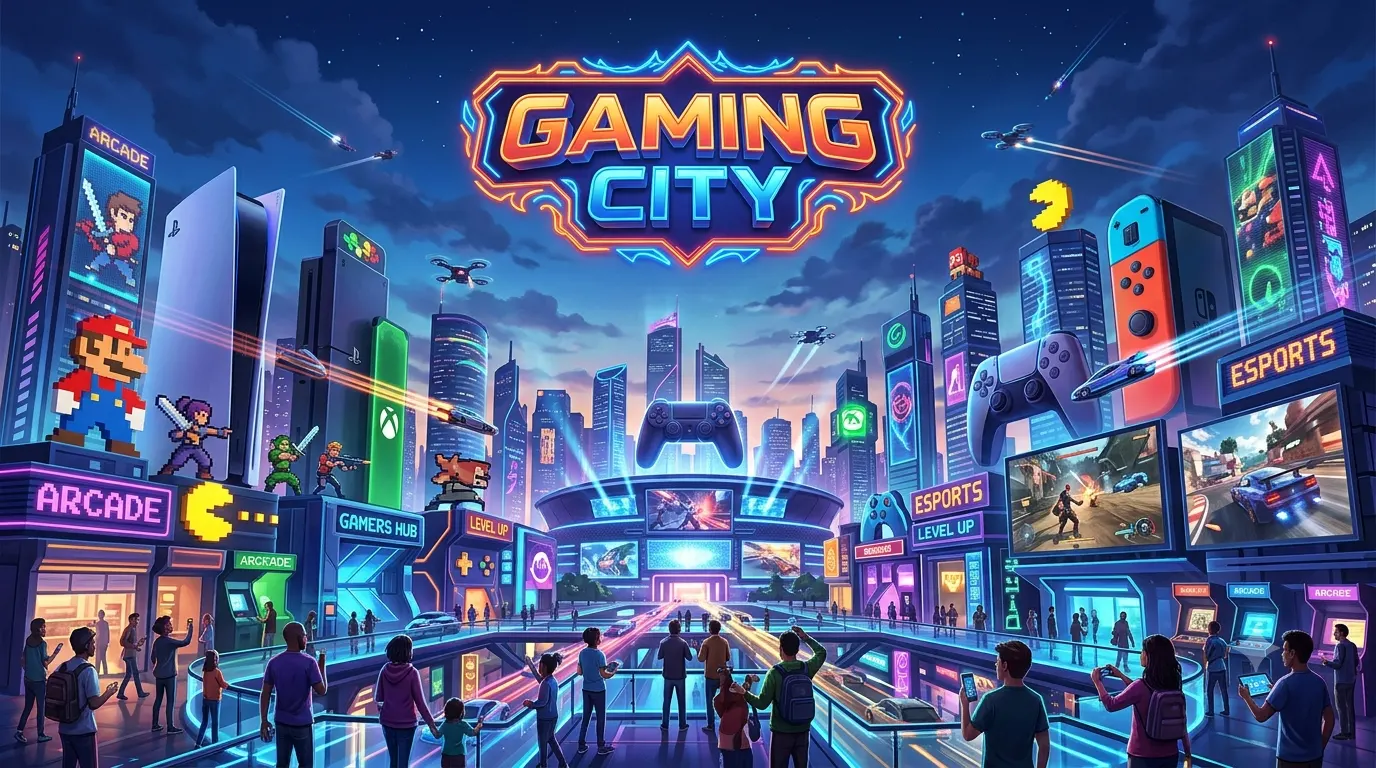
A gaming city is more than a place where people play video games. It can describe a modern gaming hub where players, esports fans, streamers, developers, and gaming communities come together to enjoy interactive entertainment. These spaces may include gaming lounges, esports arenas, tournaments, gaming events, and social areas designed for players of different skill levels.
Gaming cities are becoming interesting destinations for people who want to experience gaming beyond their homes. Players can meet others who share the same interests, compete in organized events, try different gaming setups, and take part in community activities. Some gaming-focused locations also combine technology, entertainment, and social experiences to create a unique environment for visitors.
Whether you are a casual player, competitive gamer, or simply interested in gaming culture, understanding the idea of a gaming city can help you explore what these communities and destinations offer. In this guide, we will look at what a gaming city means, what you may find there, how gaming communities benefit from these spaces, and why they continue to attract players and gaming enthusiasts.
What Is a Gaming City?
A gaming city is a place where gaming plays a significant role in entertainment, business, tourism, and culture. These cities are home to esports arenas, gaming cafés, game development studios, technology companies, and communities that celebrate video games every day. Some gaming cities are known for hosting international tournaments, while others are recognized for producing popular games or supporting gaming startups.
Modern gaming cities combine technology with entertainment. Visitors can experience high-end gaming PCs, virtual reality attractions, console gaming lounges, and gaming-themed events throughout the year. These cities also encourage innovation by bringing together developers, designers, streamers, professional players, and gaming enthusiasts.
Gaming cities continue to expand because the global gaming industry keeps growing. Local governments and private businesses invest in gaming infrastructure to attract tourists and technology companies. This creates new jobs, boosts the local economy, and strengthens the city’s reputation as a digital entertainment hub.
For gamers, a gaming city provides exciting experiences beyond simply playing games. It offers networking opportunities, esports competitions, educational workshops, gaming conventions, and access to the latest gaming technology. Whether you are a casual player or an aspiring professional, a gaming city creates an environment where your passion for gaming can thrive.
Why Gaming Cities Are Becoming More Popular
Gaming cities have become increasingly popular because gaming has evolved into one of the world’s largest entertainment industries. Millions of people now enjoy video games on PCs, consoles, mobile devices, and cloud gaming platforms. As gaming communities grow, cities are investing in facilities that support players, developers, and esports organizations.
Esports has become one of the biggest reasons behind the rise of gaming cities. International tournaments attract thousands of spectators and millions of online viewers. These events generate tourism, hotel bookings, restaurant visits, and business opportunities for local communities.
Technology also plays an important role. High-speed internet, advanced gaming hardware, virtual reality centers, and AI-powered gaming experiences make these cities attractive destinations. Many gaming cities also support startups that develop innovative games and gaming software.
Social interaction is another reason for their popularity. Gaming cafés, esports lounges, and gaming conventions allow people to meet others who share similar interests. Players can join local tournaments, make new friends, and learn from experienced gamers.
As digital entertainment continues to grow, gaming cities are becoming centers of creativity, competition, and technological innovation. Their popularity is expected to increase even further over the next decade.
Essential Features of a Gaming City
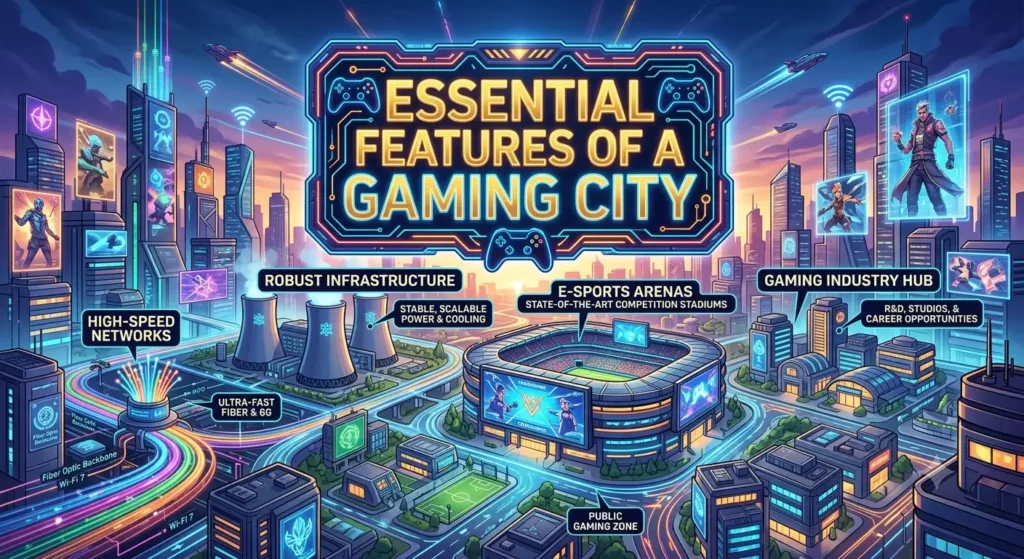
Every successful gaming city shares several important features that attract gamers from around the world. These features create an exciting environment where gaming becomes a major part of everyday life.
One of the most important features is high-quality gaming infrastructure. Fast internet connections, modern gaming centers, and powerful gaming equipment allow players to enjoy smooth experiences without technical problems.
Esports venues are another key feature. Professional arenas host national and international tournaments, attracting elite players and enthusiastic fans. These venues often include large screens, comfortable seating, and advanced broadcasting technology.
Gaming cafés remain popular because they provide affordable access to high-performance gaming PCs and consoles. Many gamers visit these cafés to compete with friends or participate in local competitions.
A strong game development community also helps define a gaming city. Local studios create new games, while universities and training centers offer courses in game design, programming, animation, and digital art.
Gaming events, conventions, cosplay festivals, and technology exhibitions add excitement throughout the year. These events encourage innovation and bring together developers, publishers, influencers, and gaming enthusiasts from different countries.
Together, these features create a vibrant gaming ecosystem that benefits both residents and visitors.
Best Gaming Cities Around the World
Several cities have earned worldwide recognition for their strong gaming culture and advanced esports ecosystems. Each city offers unique experiences for gamers and continues to shape the future of the gaming industry.
Seoul, South Korea is often considered one of the world’s greatest gaming cities. It has world-class esports arenas, professional gaming teams, gaming cafés, and a passionate gaming community.
Tokyo, Japan combines gaming history with cutting-edge technology. Visitors can explore gaming stores, arcades, anime districts, and technology exhibitions that celebrate Japanese gaming culture.
Los Angeles, USA plays a major role in game development and esports. Many leading gaming companies operate there, and the city hosts major gaming conventions and industry events.
Shanghai, China has become a global esports powerhouse with modern arenas, professional organizations, and rapidly growing gaming investments.
Singapore continues to attract gaming companies, esports tournaments, and technology startups thanks to its excellent infrastructure and business-friendly environment.
Berlin, Germany has developed a strong independent game development scene while supporting international gaming exhibitions and esports competitions.
These gaming cities continue to influence the global gaming industry through innovation, competitive gaming, technology, and creative talent.
Gaming Cafés and Esports Arenas in Gaming Cities
Gaming cafés remain one of the biggest attractions in any gaming city. They provide access to powerful gaming PCs, next-generation consoles, ultra-fast internet, and comfortable gaming environments for players who may not own expensive gaming equipment.
Many gaming cafés organize daily competitions, ranked matches, and community events. Players enjoy meeting friends, improving their skills, and competing against others in popular multiplayer games. These venues often stay open late, making them ideal gathering places for gaming communities.
Esports arenas take the experience to another level. These professional venues host major tournaments featuring top players from around the world. Spectators enjoy live matches with giant screens, professional commentary, exciting stage production, and interactive fan experiences.
Modern esports arenas also include streaming studios, training facilities, VIP lounges, merchandise stores, and food courts. Some venues even allow visitors to try professional gaming setups used by competitive players.
Together, gaming cafés and esports arenas create the heart of every successful gaming city. They support both casual gamers and professional athletes while helping local gaming communities grow stronger every year.
How Gaming Cities Support the Esports Industry
Gaming cities play a vital role in the growth of the esports industry. They provide the infrastructure, investment, and community support needed for competitive gaming to thrive. Modern esports requires more than talented players. It also depends on reliable internet, advanced gaming equipment, professional venues, and experienced event organizers.
Many gaming cities host regional and international esports tournaments throughout the year. These competitions attract professional teams, sponsors, streamers, and millions of online viewers. As a result, local businesses such as hotels, restaurants, transportation services, and retail stores benefit from increased tourism.
Training facilities are another important feature. Professional esports teams often establish gaming houses and performance centers where players practice, analyze gameplay, and improve teamwork. Coaches, fitness trainers, psychologists, and analysts work together to help teams achieve better results.
Gaming cities also encourage partnerships between universities, technology companies, and esports organizations. These collaborations create educational programs, research opportunities, and career pathways for future gaming professionals.
The esports industry continues to generate billions of dollars worldwide, and gaming cities remain at the center of this growth. By supporting tournaments, education, and innovation, these cities help shape the future of competitive gaming while creating exciting opportunities for players and businesses alike.
Game Development Opportunities in a Gaming City
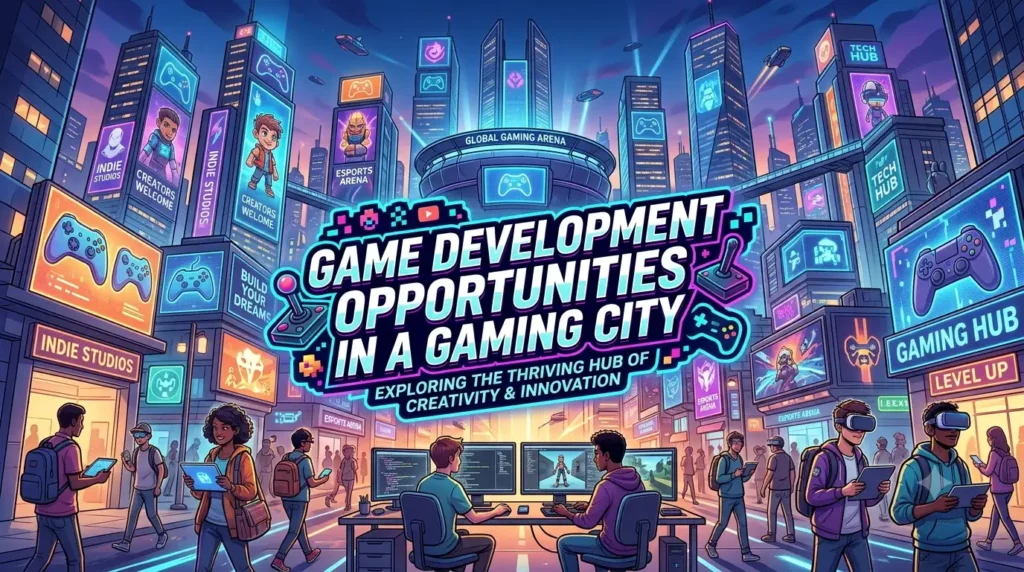
A gaming city is not only a place to play games but also a place to create them. Many successful game developers choose gaming cities because they offer access to skilled professionals, advanced technology, and supportive business environments.
Game development studios often collaborate with artists, programmers, writers, sound designers, and marketing experts. Working in a gaming city allows these professionals to share ideas and develop creative projects more efficiently.
Many universities and technical institutes offer specialized courses in game design, animation, artificial intelligence, 3D modeling, virtual reality, and software engineering. These educational opportunities help students prepare for rewarding careers in the gaming industry.
Startup incubators and technology hubs also encourage independent developers to launch new gaming companies. Investors frequently support innovative gaming projects that show strong market potential.
Networking events, gaming conferences, and developer meetups make it easier to build professional relationships. Developers can showcase prototypes, receive feedback, and connect with publishers interested in funding new games.
As gaming technology evolves, gaming cities continue to become centers of creativity where developers transform ideas into successful games enjoyed by millions of players worldwide.
Technology That Makes Gaming Cities Successful
Technology forms the foundation of every successful gaming city. Without modern digital infrastructure, it would be difficult to support professional esports, online multiplayer games, cloud gaming, and game development.
One of the most important technologies is high-speed internet. Fast and stable connections reduce lag, improve multiplayer performance, and provide smooth streaming experiences for gamers and content creators.
Cloud gaming has also become increasingly popular. Players can access high-quality games without purchasing expensive hardware. This technology makes gaming more accessible to people around the world.
Artificial intelligence improves many aspects of gaming, including smarter opponents, realistic characters, personalized recommendations, and advanced game development tools. Developers use AI to create richer and more immersive experiences.
Virtual reality and augmented reality continue to transform entertainment. Many gaming cities now feature VR gaming centers where visitors can explore interactive worlds with realistic graphics and motion tracking.
Powerful gaming hardware, modern data centers, and advanced cybersecurity systems also contribute to the success of gaming cities. Together, these technologies create a reliable environment that supports players, developers, tournament organizers, and gaming businesses.
Tourism and Entertainment in Gaming Cities
Gaming cities have become popular travel destinations for people who love digital entertainment. Tourists visit these cities not only for sightseeing but also to experience gaming culture firsthand.
Many visitors explore famous gaming cafés, esports arenas, technology museums, and interactive gaming exhibitions. These attractions allow people to try the latest gaming equipment while learning about the history of the gaming industry.
Gaming conventions are another major attraction. These events feature new game announcements, cosplay competitions, developer presentations, product demonstrations, and opportunities to meet popular gaming personalities.
Shopping is also part of the experience. Many gaming cities have stores selling gaming consoles, accessories, collectibles, action figures, gaming chairs, keyboards, and exclusive merchandise.
Families can enjoy entertainment centers offering virtual reality experiences, arcade games, escape rooms, and interactive attractions suitable for all age groups.
The combination of technology, entertainment, shopping, and community events makes gaming cities attractive destinations for both casual visitors and dedicated gamers. Their popularity continues to grow as gaming becomes an even larger part of global entertainment.
Careers You Can Build in a Gaming City
Gaming cities offer a wide variety of career opportunities beyond professional gaming. As the gaming industry expands, companies continue hiring talented individuals with different skills and backgrounds.
Game developers design and build video games using programming languages, game engines, and creative storytelling. Graphic artists create characters, environments, animations, and visual effects that bring games to life.
Esports organizations hire coaches, analysts, event managers, broadcasters, and marketing specialists. These professionals help teams prepare for tournaments while managing sponsorships and fan engagement.
Content creators also find exciting opportunities in gaming cities. Streamers, YouTubers, podcasters, and social media influencers produce gaming content that attracts large online audiences.
Technology companies employ software engineers, cybersecurity experts, artificial intelligence specialists, and cloud computing professionals who develop gaming platforms and digital services.
Business careers are equally important. Sales managers, customer support representatives, financial analysts, project managers, and human resource professionals help gaming companies operate successfully.
With continuous industry growth, gaming cities provide excellent career opportunities for people who combine technical knowledge with creativity and passion for gaming.
The Future of Gaming Cities
The future of gaming cities looks brighter than ever. Advances in artificial intelligence, cloud gaming, virtual reality, and high-speed internet will continue transforming how people play, create, and experience games.
Future gaming cities will likely feature smart esports arenas with AI-powered broadcasting, interactive fan experiences, and advanced player analytics. Cloud technology will allow gamers to enjoy high-end titles on almost any device, making gaming even more accessible.
Virtual reality districts may become common attractions where visitors explore fully immersive digital worlds. Mixed reality experiences could combine physical locations with interactive gaming environments, creating entirely new forms of entertainment.
Sustainability will also become an important priority. Energy-efficient gaming centers, environmentally friendly technology, and green building designs will help reduce environmental impact while supporting industry growth.
Educational institutions will expand gaming-related programs, producing skilled developers, designers, engineers, and esports professionals ready to meet future industry demands.
As innovation continues, gaming cities will remain global centers for technology, creativity, business, and entertainment. They will inspire future generations of gamers while driving the gaming industry toward exciting new possibilities.
Tips for Choosing the Best Gaming City
Choosing the right gaming city depends on your goals and interests. Some cities are perfect for esports professionals, while others are better for game developers, content creators, or casual gamers looking for entertainment.
Start by looking at the city’s gaming infrastructure. A good gaming city should offer reliable high-speed internet, modern gaming cafés, esports arenas, and technology hubs. These facilities improve your gaming experience and provide opportunities to meet other gamers.
If you plan to build a career, research the local gaming industry. Cities with well-known game development studios, technology companies, and startup incubators often provide better job opportunities. Educational institutions offering game design, programming, and animation courses are also valuable.
Consider the cost of living before making a decision. Some gaming cities provide world-class facilities but have higher housing and transportation costs. Finding a balance between affordability and opportunity is important.
Community is another key factor. A welcoming gaming community makes it easier to participate in tournaments, attend gaming events, and build lasting friendships. Active local communities often organize regular competitions and networking events.
Finally, think about entertainment options beyond gaming. A city with cultural attractions, restaurants, shopping centers, and outdoor activities creates a more enjoyable lifestyle. The best gaming city is one that matches your personal goals while offering endless opportunities to learn, compete, and have fun.
Common Challenges Faced by Gaming Cities
Although gaming cities offer exciting opportunities, they also face several challenges that require careful planning and continuous improvement.
One major challenge is maintaining fast and reliable internet infrastructure. As online gaming becomes more demanding, cities must invest in better networks to prevent lag and connection issues.
Another challenge is keeping up with rapidly changing technology. Gaming hardware, software, and digital platforms evolve quickly, requiring regular upgrades to gaming facilities and esports venues.
Cybersecurity is becoming increasingly important. Gaming companies and tournament organizers must protect player accounts, financial transactions, and sensitive business data from cyber threats.
The high cost of developing esports arenas and gaming centers can also be a concern. Building and maintaining modern facilities requires significant investment from both governments and private organizations.
Competition between gaming cities is another factor. Cities worldwide compete to attract game developers, esports tournaments, technology companies, and gaming tourists. Continuous innovation is necessary to remain competitive.
Finally, gaming cities must promote healthy gaming habits. Encouraging balanced lifestyles, physical activity, and mental well-being helps create a positive gaming culture for players of all ages.
By addressing these challenges, gaming cities can continue growing while providing better experiences for gamers, businesses, and local communities.
Why Gaming Cities Will Continue to Shape the Gaming Industry
Gaming cities are becoming the driving force behind the future of digital entertainment. They bring together gamers, developers, technology companies, investors, educators, and esports organizations in one collaborative environment.
As cloud gaming, artificial intelligence, virtual reality, and next-generation internet technologies continue to advance, gaming cities will become even more important. They will serve as testing grounds for innovative gaming experiences and new business models.
Major gaming events held in these cities help launch new games, introduce advanced hardware, and showcase emerging technologies. These events influence industry trends and inspire developers to create better gaming experiences.
Gaming cities also encourage international collaboration. Developers from different countries work together on creative projects, while esports tournaments unite players from around the world.
Education remains another important advantage. Universities and training centers prepare future professionals with practical skills needed in game development, animation, software engineering, and esports management.
The combination of technology, creativity, education, and community ensures that gaming cities will remain essential to the continued growth of the global gaming industry.
Conclusion
A gaming city represents more than a place to play video games. It brings together players, esports fans, gaming communities, and technology in an environment built around entertainment and social interaction. Whether it includes gaming lounges, esports arenas, tournaments, events, or community spaces, a gaming city can give people new ways to enjoy their favorite games.
One of the biggest advantages of a gaming-focused environment is the opportunity to connect with other players. Gamers can share experiences, compete in events, improve their skills, and build friendships with people who have similar interests. These spaces can also support the growth of esports and create opportunities for local gaming communities to become more active.
The idea of a gaming city continues to show how gaming has developed beyond traditional home entertainment. Modern gaming is now closely connected with technology, competition, creativity, and social experiences. As gaming communities continue to grow, gaming-focused destinations may become even more appealing to players and visitors.
Ultimately, a gaming city offers a unique way to experience gaming, connect with others, and become part of a wider gaming culture.
FAQs
1. What is a gaming city?
A gaming city is a city known for its strong gaming culture, esports events, gaming cafés, technology companies, and game development industry.
2. Which city is considered the best gaming city?
Many gamers consider Seoul, Tokyo, Los Angeles, Shanghai, and Singapore among the world’s leading gaming cities because of their advanced gaming ecosystems.
3. Why are gaming cities important?
Gaming cities support esports, game development, technology innovation, tourism, education, and thousands of career opportunities within the gaming industry.
4. Can I build a career in a gaming city?
Yes. Gaming cities offer careers in game development, esports, streaming, digital marketing, programming, animation, event management, cybersecurity, and many other technology-related fields.
5. What makes a city attractive to gamers?
Fast internet, modern gaming cafés, esports arenas, game development studios, gaming events, supportive communities, and access to the latest gaming technology make a city attractive to gamers.