Rival gaming games are a fascinating part of story-driven video game history, especially for players who enjoy choices, stealth, investigation, strong characters, and cinematic storytelling. The term commonly refers to games created by Rival Games, a Finnish development studio known for narrative-focused experiences. Its best-known work includes Thief of Thieves: Season One, while its earlier catalog includes The Detail.
What makes these games interesting is their focus on making players feel involved in the story rather than simply defeating enemies. Decisions, conversations, exploration, relationships, and carefully planned actions can all shape the experience. This guide explores Rival gaming games, their gameplay features, storytelling style, visual design, characters, platforms, and the reasons these titles remain interesting to adventure game fans.
What Are Rival Gaming Games?
Rival gaming games refers to video games developed by Rival Games, a Finnish studio established in 2013. The studio became recognized for creating narrative-driven games that combine interactive storytelling with adventure, investigation, stealth, and player choices. Its projects show a clear interest in making the story an important part of gameplay rather than treating it as something separate from the action.
One of the studio’s most recognizable releases is Thief of Thieves: Season One. The game puts players in the role of Celia, a skilled cat burglar who must use stealth, social engineering, teamwork, and careful decision-making to complete high-profile heists. Steam describes it as an action, adventure, and indie title with a strong emphasis on story and meaningful choices.
Rival Games also worked on The Detail, a crime-focused adventure series, and Alien: Blackout. These projects demonstrate the studio’s interest in different forms of narrative gameplay. Rather than focusing entirely on fast combat, Rival Games explored atmosphere, characters, tension, investigation, and interactive decisions.
For players searching for Rival gaming games, the most important point is that the studio’s identity is strongly connected to story-rich interactive experiences. Its games appeal to people who prefer discovering a narrative, making decisions, and experiencing character-driven gameplay.
The Storytelling Style of Rival Gaming Games
Storytelling is one of the strongest elements of Rival gaming games. Instead of using a simple plot as background material, these games place the narrative near the center of the experience. Players often learn about characters, locations, conflicts, and motivations while actively playing.
Thief of Thieves is a strong example. The game follows Celia as she moves from being an apprentice toward becoming a more experienced thief. After a failed job, she travels to Europe and becomes involved with a new criminal team. The story combines personal development with heist-based gameplay.
The approach creates a different feeling from traditional action games. The player does not simply move from one battle to another. Conversations, decisions, relationships, and approaches to situations become important parts of progression.
Rival Games also uses storytelling to create emotional investment. Players become familiar with team members and understand that their actions can influence relationships. This makes seemingly small choices feel more meaningful.
Another advantage of narrative-focused gameplay is pacing. A story can slow down when characters need to communicate and become more intense when danger appears. This creates variety without requiring constant combat.
For players who enjoy interactive stories, adventure games, crime dramas, character development, and choice-based gameplay, Rival gaming games offer an appealing style.
Thief of Thieves and Its Gameplay
Thief of Thieves: Season One is arguably the most recognizable Rival Games title. Rival Games developed the game, while Skybound Games published it. The Windows version released in July 2018, and the complete Season One package contains four volumes.
The game follows Celia, a cat burglar who uses stealth and social engineering instead of relying on traditional combat. Players can approach situations through sneaking, communication, and interaction with other characters. The game therefore focuses on thinking and observation as much as direct action.
The gameplay takes players through different environments, including social locations and more industrial areas. This variety helps prevent the experience from feeling repetitive.
One notable feature is the relationship between gameplay and narrative. Decisions can influence the story and relationships with members of Celia’s team. That means the player’s behavior has a role beyond simply completing objectives.
The game also combines comic-book presentation with three-dimensional environments. This visual approach supports the source material while giving the game its own identity.
For fans of heist stories, Thief of Thieves provides a different interpretation of the genre. Instead of making shooting the primary mechanic, it emphasizes planning, stealth, conversation, character relationships, and consequences.
The Detail and Crime-Focused Gameplay
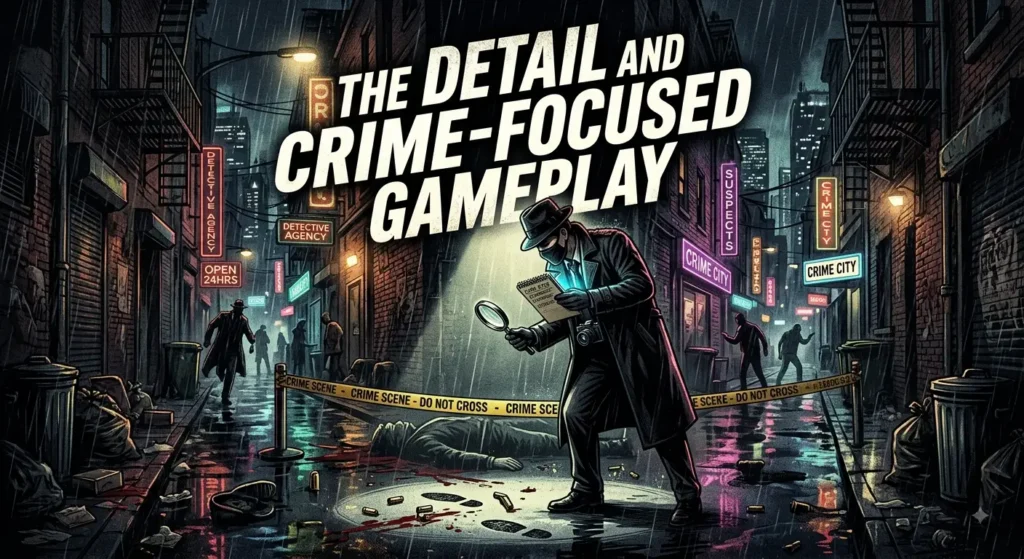
Before Thief of Thieves, Rival Games worked on The Detail, a crime adventure series. The project helped establish the studio’s interest in mature storytelling and investigative gameplay. MobyGames lists The Detail: Season One among Rival Games’ credited projects.
The game focuses on crime investigation and the people involved in difficult cases. This creates a darker atmosphere than many traditional adventure games. Instead of presenting crime as a simple action scenario, the experience explores investigation, decisions, and character perspectives.
Crime-based adventure games can be particularly effective when they allow players to examine evidence, follow leads, and understand the motivations behind events. The Detail fits into that broader style of interactive storytelling.
The title also shows how Rival Games experimented with episodic game design. Episodic structures can give developers more room to develop characters and storylines over multiple chapters.
For players searching for Rival gaming games beyond Thief of Thieves, The Detail is worth knowing about because it provides insight into the studio’s earlier creative direction.
Its crime setting, narrative emphasis, and investigative elements demonstrate the studio’s preference for stories where player decisions and character development matter.
Choice-Based Gameplay in Rival Games
Choice-based gameplay is an important part of the Rival Games experience. Instead of forcing every player through exactly the same emotional journey, decision-based systems can make the story feel more personal.
In Thief of Thieves, players make choices that can shape the narrative and relationships within the team. The official game description specifically highlights the consequences of player decisions.
This design encourages players to think before selecting dialogue or actions. A decision may appear small at first, but its emotional effect can become more noticeable later.
Choice-based systems also improve replay value. A player who finishes the story may wonder what would happen after making different decisions. Even when the overall storyline remains recognizable, changed interactions can create a different experience.
The best choice-driven games do not simply provide random dialogue options. They connect choices to character personalities, relationships, and story progression. Rival Games uses this approach to make the player feel involved in the narrative.
This is especially useful for players who enjoy interactive fiction, narrative adventures, branching stories, decision games, and character-driven gameplay.
Instead of asking only whether the player can win, these games often encourage another question: What kind of person will the player become through their decisions?
Stealth Mechanics in Rival Gaming Games
Stealth is another important element in Rival gaming games, particularly in Thief of Thieves. The game allows Celia to use sneaking and social engineering to complete objectives rather than depending on violence.
This approach gives stealth a different role. The objective is not always to defeat an opponent. Instead, the player may need to avoid attention, find an opportunity, or manipulate a situation through conversation.
Social engineering is especially interesting because it connects gameplay with character behavior. A successful thief needs more than physical skill. Understanding people, reading situations, and choosing the right approach can be just as important.
Stealth also creates tension. A player knows that being discovered can change the situation, so movement and decisions feel more deliberate.
For gamers who enjoy traditional stealth titles, Rival Games provides a more narrative-focused version of the concept. The game does not attempt to become a massive open-world stealth simulator. Instead, stealth supports the story and individual scenes.
This focused design helps maintain pacing while giving players a sense of control over how Celia approaches important situations.
Characters and Team Relationships
Strong characters help make Rival gaming games memorable. In narrative-focused games, characters are not simply background figures. They can influence decisions, create conflicts, provide information, and shape the emotional direction of the story.
In Thief of Thieves, Celia joins a new team after arriving in Europe. Players have opportunities to learn about these characters while progressing through the heist storyline. The game specifically connects player choices with relationships among team members.
This relationship-focused design adds depth to the gameplay. A player may consider not only whether a decision is effective but also how another character will react.
Team dynamics are especially useful in heist stories because every member can have different skills and personalities. Successful missions depend on cooperation, trust, and understanding.
Good character writing also helps players care about the outcome. When a character has clear motivations and personality traits, conversations become more meaningful.
Rival Games uses these principles to make its stories feel personal. Instead of treating the player as an invisible controller, the games place the player inside a group of characters with their own goals and relationships.
For fans of character-driven adventures, this is one of the strongest reasons to explore Rival gaming games.
Visual Style and Comic Book Presentation
Visual presentation gives Thief of Thieves a distinctive identity. The game combines hand-drawn 2D comic elements with 3D environments, creating a style that reflects its comic-book origins.
The game is based on the comic book series created by Robert Kirkman and published by Skybound. This connection influences both the story and presentation.
Instead of copying a traditional realistic art style, the developers use comic-inspired visuals to create a stronger connection between the source material and the interactive experience.
This visual direction can make story scenes feel like panels coming to life. It also helps distinguish the game from other adventure and stealth titles.
The combination of 2D comic elements and 3D environments provides visual variety while supporting the narrative. Players can move through interactive locations while still feeling connected to the graphic storytelling style.
Visual identity is important for smaller studios because it can help a game stand out in a crowded market. Rival Games used this opportunity effectively with Thief of Thieves.
For players interested in comic-inspired video games, this presentation is one of the most noticeable features of Rival gaming games.
Gameplay Without Traditional Violence
One interesting aspect of Thief of Thieves is its emphasis on nonviolent approaches. The game allows Celia to use sneaking and social engineering rather than making violence the central solution.
This design changes the rhythm of gameplay. Players have to pay attention to surroundings, characters, conversations, and opportunities.
Many action games reward fast reactions. A stealth-focused narrative game can instead reward patience and observation. Players may need to wait for the right moment or choose a clever way to move forward.
The absence of traditional combat as the primary mechanic also supports the character concept. Celia is a thief, so avoiding attention and finding clever solutions fit the fantasy of the role.
This approach does not mean the game lacks tension. A failed attempt, difficult decision, or unexpected consequence can create pressure without requiring a conventional battle.
For players searching for story-rich games without constant combat, Rival gaming games can provide a refreshing alternative.
The design demonstrates how developers can create engaging gameplay through interaction, stealth, dialogue, and decision-making rather than relying only on weapons or fighting.
Episodic Structure and Story Progression
Episodic storytelling is another feature associated with Rival Games. Thief of Thieves: Season One contains four volumes, allowing the story to develop through separate sections while maintaining an overall narrative.
An episodic structure can benefit narrative games because each chapter can introduce a new location, conflict, or character development opportunity. Players receive smaller story milestones instead of one continuous progression.
For developers, episodes can also create a strong framework for organizing complex narratives. Each section can have its own objective while contributing to the larger story.
In Thief of Thieves, the journey across Europe gives the story room to introduce different situations and members of the criminal team.
The structure also works well with the comic-book inspiration. Like chapters in a graphic novel, episodes can create clear stages within a larger story.
For modern players, episodic design remains interesting because it can create a television-like rhythm. Each section can end with a new question or development that encourages continued play.
Rival gaming games therefore demonstrate how episodic adventure design can support character development and long-form storytelling.
Platforms for Rival Gaming Games
Platform availability is an important consideration when looking for Rival gaming games. Thief of Thieves: Season One was released for Windows and later appeared on platforms including Xbox One and Nintendo Switch.
Xbox lists the game as playable on Xbox One and Xbox Series X|S through backward-compatible availability.
Nintendo’s release includes all four volumes in a single purchase, making it a convenient option for players who want the complete Season One experience on Switch.
Platform differences can affect convenience, controls, display options, and portability, but the core story remains the main attraction.
PC players may prefer the flexibility of computer gaming, while console players can enjoy the experience from a living-room setup. Switch players also have the benefit of portable play.
Before purchasing an older game, players should always check the current store listing for availability, operating-system requirements, regional support, and compatibility.
The key point is that Rival gaming games have reached multiple platforms, allowing different types of players to experience the studio’s narrative-focused work.
Why Players Enjoy Rival Gaming Games
Rival gaming games appeal to players who want more than simple action. Their strongest qualities include storytelling, character relationships, atmosphere, choices, and unusual gameplay concepts.
Thief of Thieves is a good example because it combines stealth, social engineering, team-based heists, and narrative choices. Steam categorizes it across adventure, indie, stealth, story-rich, strategy, and choices-matter tags.
This combination makes the game suitable for several audiences. Fans of comic books may appreciate the source material and visual presentation. Adventure gamers may enjoy the interactive story. Stealth fans may like the focus on avoiding detection. Players who enjoy choice-based games may appreciate the consequences of decisions.
The games also provide a slower alternative to fast competitive gaming. Instead of constantly chasing high scores or defeating opponents, players can concentrate on understanding a situation and progressing through a narrative.
That makes Rival gaming games particularly interesting for people who enjoy relaxed story progression with meaningful interaction.
Their appeal comes from the combination of genres rather than one single mechanic. Rival Games created experiences where story and gameplay support each other.
Rival Gaming Games Compared With Traditional Action Games
Traditional action games usually emphasize combat, reflexes, weapons, movement, and direct challenges. Rival gaming games often take a different approach by making narrative and interaction more important.
In Thief of Thieves, players can use stealth and social engineering to handle situations rather than relying on violent combat.
This difference affects the entire gameplay experience. Action games may ask players to react quickly, while narrative adventures often ask them to think carefully.
Neither style is automatically better. They simply serve different preferences.
Players who enjoy competitive multiplayer matches may want fast action and constant challenges. Players who enjoy interactive stories may prefer conversations, exploration, and character development.
Rival gaming games sit closer to the adventure and narrative side of the spectrum. They are designed around the idea that a game can be compelling because of what happens to its characters, not just because of how difficult its mechanics are.
This makes them useful examples for understanding the wider evolution of video games. Modern games can combine film-like storytelling, comic-book visuals, interactive decisions, and traditional gameplay systems.
The Importance of Player Decisions
Player decisions are central to the experience of Rival gaming games. A meaningful decision gives the player a reason to stop and consider the situation.
In Thief of Thieves, the choices players make can affect the narrative and relationships with team members.
This system creates emotional involvement. Players may become attached to certain characters and therefore consider how their decisions could affect those relationships.
Decision-making can also create personal storytelling. Two players may experience the same overall game but remember different moments because they made different choices.
This is one of the key strengths of interactive entertainment. A movie gives viewers the same sequence every time, while a choice-based game can give players some control over how events unfold.
Good decision systems should feel connected to the story. Rival Games uses decisions as part of character relationships and narrative progression rather than treating them as unrelated mini-games.
For players who enjoy branching narratives, interactive stories, moral decisions, and relationship systems, this is an important reason to explore the studio’s work.
The Legacy of Rival Games
Rival Games had a relatively short development history but created games that demonstrate a clear creative identity. MobyGames records the studio as a Finnish game developer established in 2013 and notes that the company closed in 2020. Its listed credits include The Detail, Thief of Thieves: Season One, and Alien: Blackout.
The closure means players should view Rival Games as a completed chapter in game development rather than an active studio releasing new titles today.
However, the games remain relevant for players interested in narrative design. They provide examples of how smaller studios can experiment with storytelling, episodic formats, comic-inspired visuals, stealth mechanics, and player choices.
Thief of Thieves in particular remains available through modern gaming storefronts and platforms, although availability can change over time.
The studio’s work also demonstrates the importance of creative focus. Rival Games did not need to build enormous open worlds to create distinctive experiences. Instead, it concentrated on specific characters, stories, and gameplay concepts.
For students of game development, narrative designers, and adventure game fans, Rival Games offers an interesting case study in story-driven game production.
Are Rival Gaming Games Worth Playing Today?
Rival gaming games can still be worth exploring today, especially for players who enjoy narrative adventures and character-focused gameplay.
Thief of Thieves: Season One is the obvious starting point because it combines many of the studio’s recognizable ideas. It offers stealth, social engineering, team relationships, comic-inspired visuals, and meaningful choices.
Players should approach the game with the right expectations. It is not designed as a huge open-world action game or competitive multiplayer experience. Its strength lies in story progression and interactive scenes.
That makes it particularly suitable for gamers who enjoy games such as narrative adventures, interactive dramas, crime stories, stealth adventures, and choice-based experiences.
Players interested in the studio’s history can also explore The Detail to see how Rival Games approached crime storytelling before Thief of Thieves. MobyGames identifies it as one of the studio’s credited projects.
Because these are older games, players should check current platform listings and compatibility information before purchasing.
Overall, Rival gaming games are worth considering when the goal is story, atmosphere, characters, choices, and distinctive gameplay rather than nonstop action.
What Makes Rival Gaming Games Unique?
The biggest strength of Rival gaming games is the way different elements work together. Storytelling, character relationships, stealth, choices, atmosphere, and visual design are not isolated features. They support the same overall experience.
Thief of Thieves demonstrates this clearly. Its comic-book foundation influences the visuals, while its heist story supports stealth and social engineering. Team relationships give player choices emotional consequences.
This kind of design can make a game feel cohesive. The mechanics match the story instead of feeling like separate systems added for variety.
Rival Games also showed that smaller narrative games can experiment with unusual ideas. A game about a thief does not have to become a combat-heavy action title. A crime game can focus on investigation and character drama. A comic adaptation can use interactive storytelling rather than simply copying the source material.
These ideas help explain why Rival gaming games remain interesting to gaming audiences.
Their value is not only in technical features or graphics. It comes from creative direction and storytelling choices.
For anyone researching narrative game development, Rival Games offers a useful example of how a focused studio can build a recognizable identity through story-rich gameplay.
Conclusion
Rival gaming games represent a distinctive approach to interactive entertainment built around storytelling, characters, choices, stealth, investigation, and atmosphere. Rival Games became known for narrative-focused projects such as The Detail, Thief of Thieves: Season One, and Alien: Blackout.
Among these titles, Thief of Thieves stands out for combining comic-book storytelling with 3D environments, stealth, social engineering, team relationships, and player decisions.
Although Rival Games closed in 2020, its work remains an interesting part of narrative game history. Players who enjoy interactive stories and character-driven adventures can still find value in exploring its catalog.
If you prefer games where your choices, relationships, and understanding of the story matter, Rival gaming games offer a memorable alternative to traditional action-focused experiences.
FAQs About Rival Gaming Games
What are Rival gaming games?
Rival gaming games generally refers to games developed by Rival Games, a Finnish game development studio known for narrative-focused projects such as The Detail and Thief of Thieves: Season One.
What is the most famous Rival Games title?
Thief of Thieves: Season One is one of Rival Games’ best-known titles. It combines stealth, social engineering, team relationships, comic-inspired visuals, and choice-based storytelling.
Is Thief of Thieves a multiplayer game?
No. Thief of Thieves is designed as a single-player experience. Steam lists single-player among its features.
What type of gameplay does Thief of Thieves offer?
The game focuses on stealth, social engineering, exploration, conversations, team interaction, and narrative choices. It emphasizes nonviolent approaches rather than traditional combat.
Is Rival Games still active?
No. Rival Games was a Finnish development studio that closed in 2020. Its known projects include The Detail, Thief of Thieves: Season One, and Alien: Blackout.